Feng Shui Bedroom Layout: Where to Put Your Bed (and Why It Matters)

You've probably heard the phrase "feng shui your bedroom" tossed around as if it means lighting a candle and calling it a day. It's a lot more specific than that — and some of it is backed by plain common sense, not mysticism. Whether you're a true believer or a total skeptic, the feng shui rules for bedroom layout tend to produce rooms that feel calmer, more organized, and easier to sleep in. That's enough reason to take them seriously.
This guide walks you through the key feng shui principles for bedroom layout — where to put your bed, what to do with mirrors, how to handle clutter under the frame, and which colors actually help you sleep. You don't have to follow every rule. But understanding them gives you a framework for decisions you might otherwise make randomly.
The Command Position: Why Your Bed Should See the Door
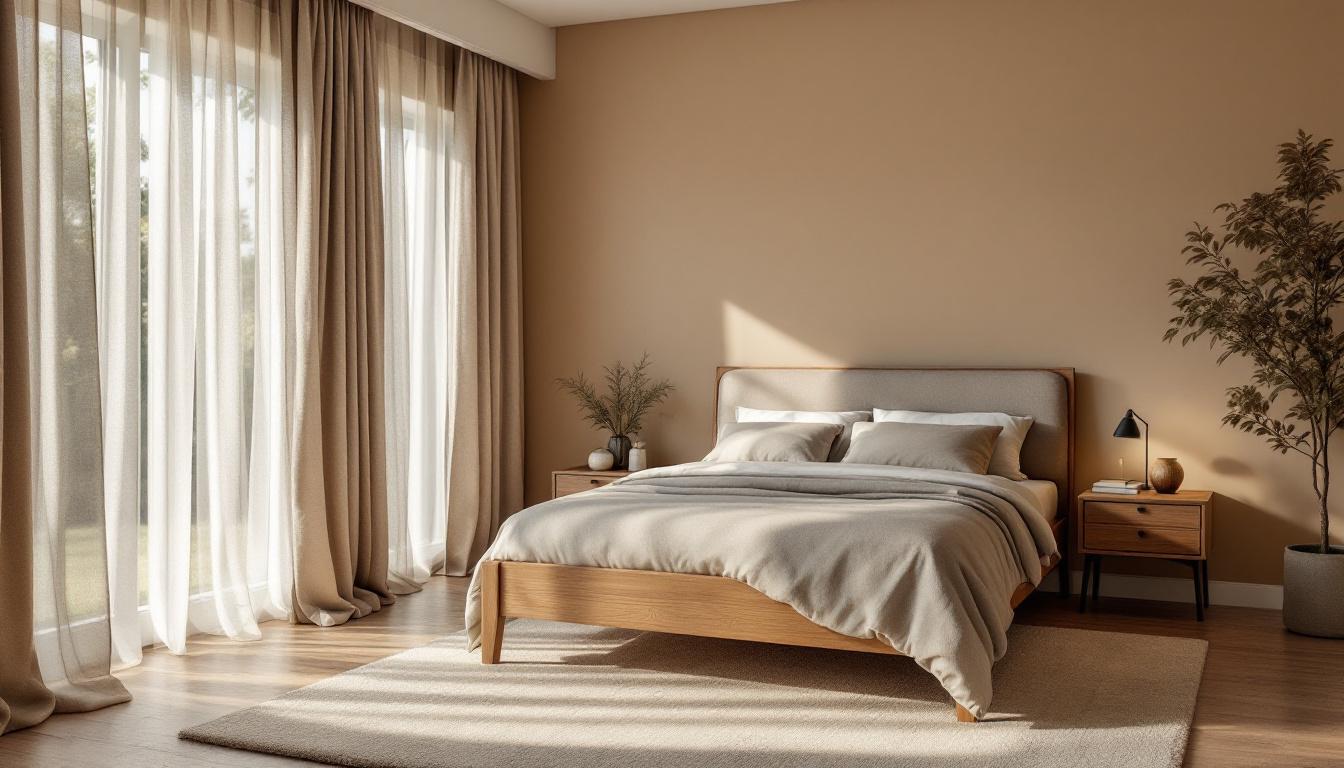
The single most important rule in feng shui bedroom layout is the command position. Your bed should be placed so that when you're lying in it, you can see the bedroom door — but you shouldn't be directly in line with it. Think diagonally across the room from the door, not straight ahead of it.
The reasoning is psychological as much as anything else. When you can see the door, your nervous system registers that you're safe — no surprises coming. But being directly in line with an open door (sometimes called the "coffin position" in feng shui) means energy rushes straight at you while you sleep, which is said to cause restless sleep and anxiety. Even if you don't buy that explanation, sleeping with your feet pointing directly at the door can feel oddly vulnerable once you notice it.
If your room's layout makes this tricky, a mirror positioned to reflect the door from where you lie in bed is considered an acceptable workaround. You get the psychological benefit of seeing the entrance without having to move the whole bed.

Headboard Against a Solid Wall (Never Under a Window)
Your headboard should rest against a solid wall — not a window, not a shared bathroom wall, and ideally not a wall where the other side is a busy hallway or the street. A solid wall behind your head gives you what feng shui calls "mountain support," meaning a sense of stability and protection while you sleep.
Placing a bed under a window is a common layout mistake for a few practical reasons beyond feng shui. Drafts hit you directly, light from outside wakes you earlier, and the lack of structural support at your back can genuinely cause restless sleep for some people. If you have no choice but to put the bed under a window, a solid, tall headboard acts as a partial buffer — and blackout curtains will handle the light.
The ideal headboard is sturdy and attached to the bed frame — not floating or made of bars and gaps. In feng shui, gaps in the headboard are said to let energy escape. Practically, a solid upholstered headboard also just looks more finished and adds visual weight to anchor the room.

Nightstand Symmetry: Matching Doesn't Mean Identical
Feng shui recommends a nightstand on each side of the bed — and this one has clear practical logic. Symmetry around the bed creates visual balance, which calms the nervous system (even if you're sleeping alone). It also signals openness to partnership in feng shui terms, which is why relationship coaches often bring up the "one nightstand" as a red flag for solo sleepers.
The nightstands don't have to match exactly. Same height, similar visual weight, similar function — that's enough. A wooden nightstand on one side and a wicker one on the other can work fine if they're roughly the same scale. What you want to avoid is a big dresser on one side and nothing on the other, or nightstands at wildly different heights.
Keep the surfaces clear — a lamp, a book, maybe a glass of water. Nightstands piled with charging cables, half-empty mugs, and old receipts undermine everything else you're doing with the layout.

Electronics Out: The TV-in-Bedroom Problem
Feng shui has said for decades that TVs don't belong in the bedroom. Sleep science now backs this up for different reasons. The blue light from screens suppresses melatonin production and delays sleep onset. The content itself — even "relaxing" shows — activates your brain in ways that make falling asleep harder. And the reflexive habit of scrolling or watching "one more episode" eats into sleep time in a way most people underestimate.
If you currently have a TV in your bedroom and your sleep quality isn't great, this is the first thing to experiment with removing. Give it two weeks without the TV and track whether you fall asleep faster. Most people notice a difference within a few days. If the TV has to stay, a cabinet with closing doors solves the feng shui problem and hides the screen when it's off.
Phone charging outside the bedroom (or at least across the room, not next to your pillow) is the other big one. It removes the temptation to scroll at 2am and stops notifications from waking you.
Mirror Placement: Never Facing the Bed
Feng shui is very specific about mirrors: they should not face the bed. The traditional explanation is that mirrors amplify energy, and having one bounce energy back at you while you sleep is disruptive. The more practical explanation is that waking up in the night and catching a glimpse of movement in a mirror is startling — your half-awake brain registers it as a person before recognizing it's your own reflection. Not a great recipe for restful sleep.
Good positions for mirrors: on the inside of a closet door, on a wall perpendicular to the bed, or in a spot where they reflect natural light or a pleasant view. The worst positions: directly across from the bed, on the ceiling above the bed, or on a wall the bed faces head-on. If you have a mirrored wardrobe that can't move, covering it at night with a fabric panel is a legitimate solution.
Under-Bed Storage: Feng Shui Says No, Reality Says Maybe
Classic feng shui says nothing should be stored under the bed — energy needs to flow freely beneath it, and stagnant objects stored there affect your sleep and subconscious. If you're in a small apartment and under-bed storage is genuinely the only option, there's a pragmatic compromise: store only soft, sleep-related items under there. Spare linens, pillows, extra blankets. Not shoes, not old tax documents, not broken equipment you meant to fix two years ago.
The logic is that what's stored near you while you sleep is symbolically present in your resting mind. Whether or not you subscribe to that literally, it's a useful mental filter. If the stuff under your bed would stress you out if you thought about it, it probably shouldn't be there.
Colors for Sleep: What Feng Shui Recommends (and Why)
Feng shui's color recommendations for bedrooms align closely with what sleep researchers recommend independently. Earth tones — warm beiges, soft terracottas, muted taupes — create a grounded, stable feeling. Soft blues and muted greens are considered calming and conducive to rest. These colors tend to have lower saturation and warmer undertones, which don't visually stimulate the way a bright white or bold primary color does.
Colors to avoid: red (too activating — associated with fire energy in feng shui and with alertness in color psychology), bright white (too stark, too clinical), and dark grays that lean cold rather than cozy. If you love a bold color, use it as an accent in a pillow or a piece of art rather than on all four walls.
Furniture Arrangement: Keep the Path Clear
Beyond the bed itself, feng shui bedroom layout is about clear pathways and open floor space. You should be able to walk from the door to the bed without weaving around furniture. You should be able to get out of bed on both sides without stepping over things. Furniture shouldn't block windows or crowd the room so tightly that it feels impossible to breathe.
A common mistake is filling a bedroom with too much furniture — a desk, an armchair, a dresser, two nightstands, a bench at the foot of the bed — and then wondering why it feels cluttered and hard to relax in. Feng shui asks you to be intentional about every piece: does this serve rest, or does it serve a function that belongs in another room?
If you're trying to visualize how different layouts would look before moving furniture, tools like StableRender let you upload a photo of your bedroom and see AI-generated redesigns in seconds. It's a faster way to test configurations than physically dragging a queen bed across hardwood floors.
The goal with feng shui bedroom layout isn't perfection — it's intentionality. A bedroom that follows even three or four of these principles will feel meaningfully different from one that ignores all of them. Start with the command position and the headboard wall. The rest is refinement.
Frequently Asked Questions
What is the best feng shui position for a bed?
Diagonally across the room from the door, with the headboard against a solid wall. You should be able to see the door from bed without being directly in line with it — this is called the command position.
Is it bad feng shui to have your bed against a wall?
Only if it means you can't access both sides of the bed, or the headboard is under a window. Having the headboard against a solid wall is actually encouraged — it's side walls that should stay clear for access.
Why shouldn't a mirror face the bed in feng shui?
Feng shui says mirrors amplify energy and disrupt sleep when facing the bed. Practically, waking at night and catching unexpected movement in a mirror is startling and interrupts sleep continuity. Both reasons point to the same solution: angle the mirror away from the bed.
What colors are good for a feng shui bedroom?
Earth tones (warm beige, terracotta, taupe), soft blues, and muted greens. These are calming, grounded, and don't visually activate the brain the way bright or high-saturation colors do. Avoid red and vivid primaries on large surfaces.
Can I put a desk in my bedroom and still follow feng shui?
Feng shui prefers work energy out of the bedroom. If you have no choice, position the desk so it doesn't face the bed, and cover it at night or use a screen to visually separate the work area from the sleeping area. The key is preventing work mode from bleeding into rest mode visually and mentally.