26 Accent Wall Ideas That Actually Look Good in 2026

Most accent walls fail for the same reason: people pick the wrong wall. They choose the biggest blank wall, or the one that was already a different color, or the one next to the TV — and then wonder why it looks off. The wall you pick matters more than the color, material, or finish you put on it. Get that part right first, and everything else falls into place. Here are 26 accent wall ideas that actually work in 2026, organized by type and room, with real costs so you know what you're getting into before you start.
How to Pick the Right Wall
Stand in the doorway of the room you're designing. Where do your eyes go first? That's your accent wall. This is called the focal point rule, and it's the single most reliable guide for placing an accent wall.
In most bedrooms, that's the wall behind the headboard. In living rooms, it's the wall behind the sofa or the fireplace wall. In dining rooms, it's usually the wall your seat faces when you sit down to eat. These walls already anchor the room — the accent treatment reinforces that anchor instead of fighting it.
Avoid walls that are broken up by multiple windows or doors — the interruptions make any treatment look choppy. Also avoid accent walls that share a corner with another bold color in the next room; the visual collision will bother you every time you walk past. Rooms under 150 square feet benefit most from accent walls that visually push one dimension back (deep colors on shorter walls, for example). In larger rooms, 12 by 14 feet and up, you have more flexibility.

Paint Accent Walls
Paint is the lowest-cost, lowest-risk accent wall option — and with the right color choice, it can look just as good as any wallpaper or material treatment.
1. Deep navy or forest green. These are the safest bold choices for 2026. One gallon covers roughly 400 square feet — a standard accent wall takes about a gallon and costs $30 to $50 depending on the brand. Benjamin Moore's Hale Navy and Sherwin-Williams' Jasper are both strong starting points.
2. Warm terracotta and clay tones. 2026's biggest shift in interior color is away from cool greys and toward earthy warmth. Terracotta, burnt sienna, and clay work especially well in south- and west-facing rooms that get afternoon sun.
3. Two-tone walls. Split the wall horizontally at chair rail height — typically 32 to 36 inches from the floor. Paint the lower section a darker shade of the same color family as the upper section. This works in dining rooms and hallways where you need visual interest without a full bold wall.
4. Color drenching. Paint the walls, trim, and ceiling all the same bold color. It sounds intense, but it creates a cocooning effect that reads as intentional rather than accidental. Works best in smaller rooms like powder rooms and reading nooks.
5. Limewash paint. This is the technique that gives walls a soft, aged, almost watercolor texture. It's not a solid color — it has natural variation built in. Limewash costs $50 to $80 per gallon but usually requires less coats. Brands like Portola Paints make it approachable for DIY.
6. Black accent walls. Black in a bedroom with warm, low-temperature lighting (2700K bulbs) looks rich rather than dark. Pair it with warm wood tones and natural linens and it feels calm, not cave-like.
Before you commit to a can of paint, upload a photo of your room to StableRender and test the color on your actual walls. You'll see exactly how the light in your specific room interacts with the color — something no paint chip can show you.
Texture and Material Accent Walls
Material accent walls cost more than paint but add dimension that flat color simply can't match. These are the ideas driving the biggest engagement in interior design content right now.
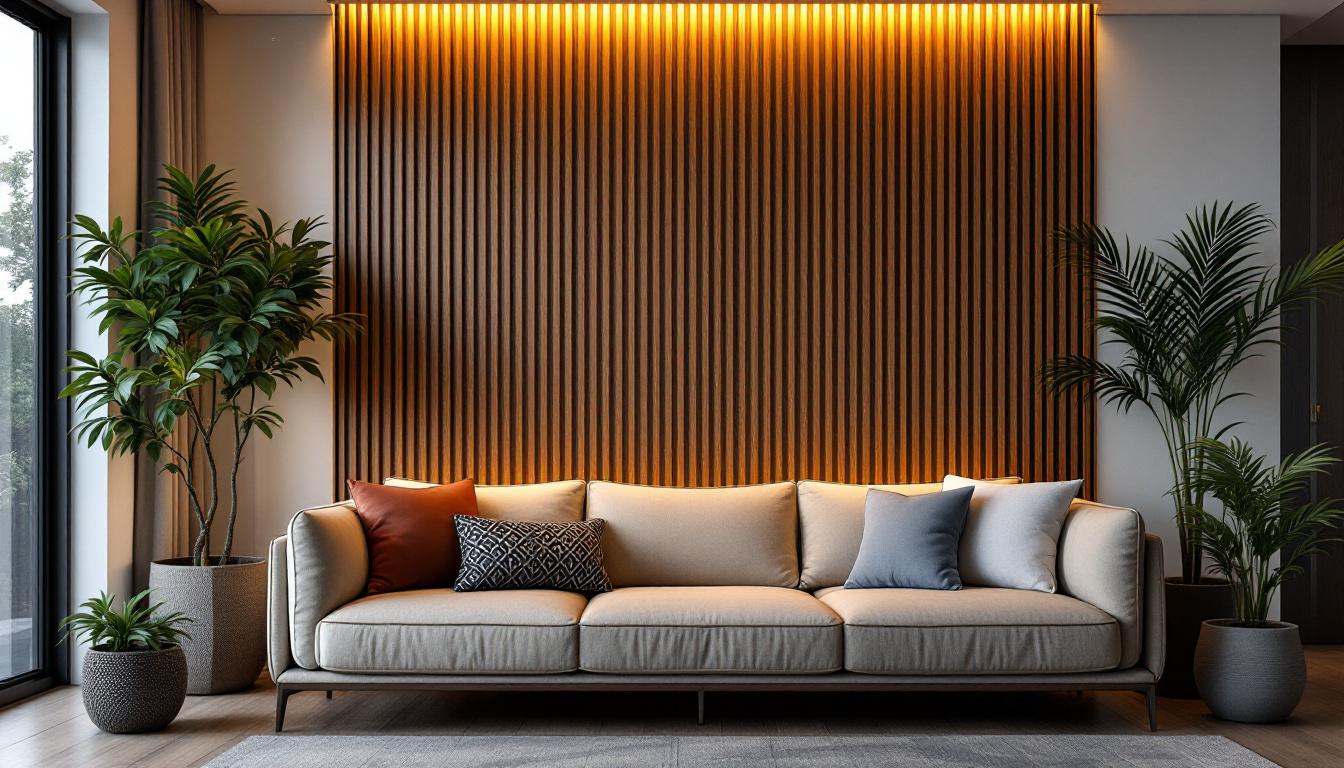
7. Wood slat walls. Vertical or horizontal wood strips create shadow lines that change throughout the day as light moves across the room. DIY kits run $200 to $800 depending on wall size and wood species. Professionally installed, expect $1,500 and up. Oak and walnut are the most popular species right now.
8. Stone veneer. Natural stone slices that are thin enough to adhere directly to drywall. They look like a full stone wall but are far lighter and easier to install. Materials run $15 to $30 per square foot. A 10 by 9 foot wall comes out to $1,350 to $2,700 in materials alone.
9. Exposed brick or faux brick panels. Real exposed brick is only an option if it's already behind your drywall. Faux brick panels — thin panels molded from real brick — cost $3 to $10 per square foot and are a convincing alternative, especially once painted.
10. Board and batten. Vertical boards attached to the wall to create a paneled effect. It's been popular for a few years and shows no sign of slowing — the classic proportions make it hard to date. Materials cost $5 to $10 per square foot for a DIY install.
11. Fluted panels. Vertical grooves give the wall a ribbed, architectural texture. Unlike board and batten, fluted panels feel more contemporary and suit modern and transitional spaces. Pre-made fluted MDF panels cost $150 to $400 to cover a standard accent wall, not including installation.
12. Concrete or plaster finish. A skim coat of concrete or microcement gives any wall an industrial, high-end texture. Expect to pay $8 to $15 per square foot for professional application. This is a good candidate for bathrooms and home offices.
Wallpaper Accent Walls
Wallpaper has made a full comeback, and the options available now are dramatically better than anything from ten years ago — in terms of design quality, ease of installation, and removability.
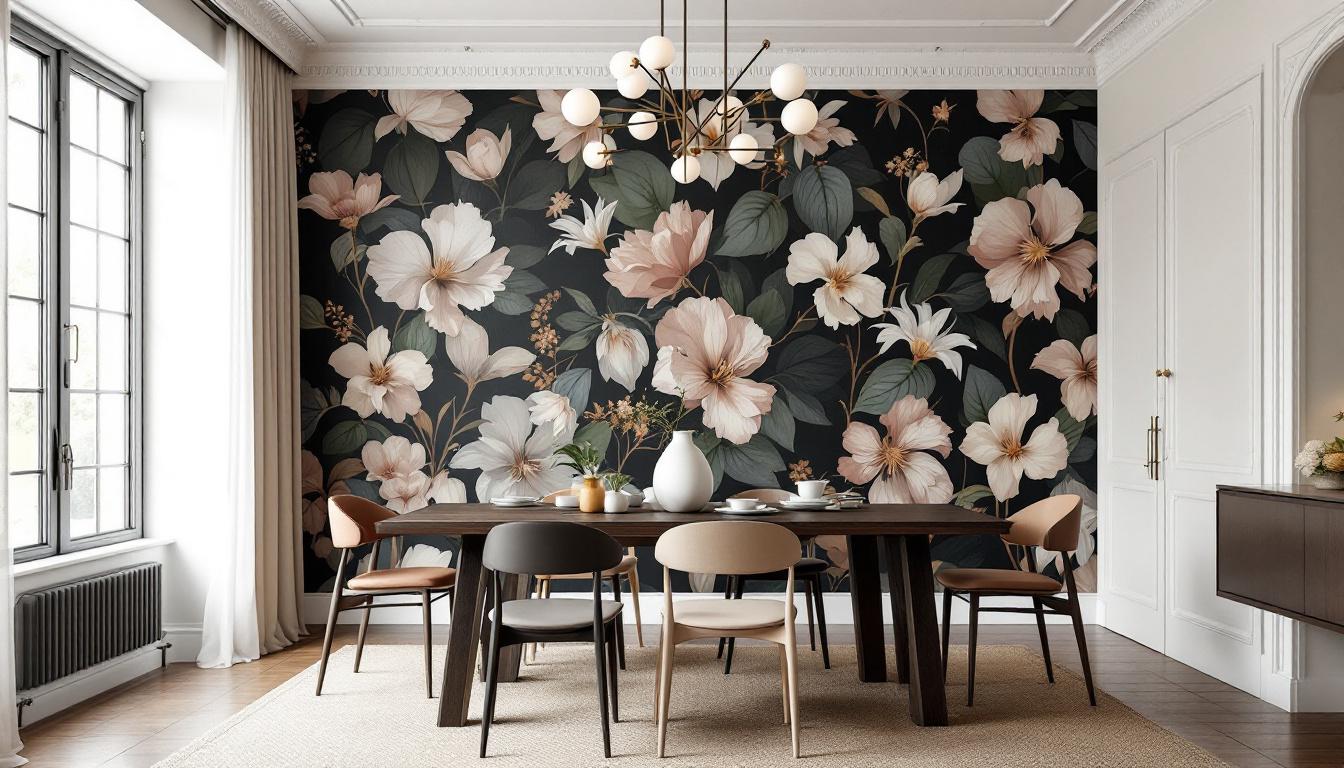
13. Mural wallcoverings. A single large-scale image that covers the entire accent wall — a landscape, an abstract art print, a botanical illustration. This is 2026's biggest trend in dining rooms specifically. The effect is more like hanging a giant piece of art than traditional wallpaper.
14. Geometric patterns. Repeating geometric motifs — diamonds, hexagons, chevrons — bring energy to a wall without the commitment of a mural. They work especially well in home offices and kids' rooms where a bit of movement in the background is welcome.
15. Botanical and tropical prints. Large-leaf prints — banana leaves, monstera, palm fronds — have been popular for a few years and remain one of the most requested accent wall looks. They bring life to rooms that feel sterile.
16. Grasscloth texture. Grasscloth wallpaper is woven from natural fibers and has a warm, organic texture that no paint can replicate. It costs $50 to $100 per roll. Downside: it's not moisture-resistant, so keep it out of bathrooms and kitchens.
17. Peel-and-stick removable wallpaper. The renter's best friend. No adhesive, no damage, no landlord drama. Quality has improved significantly — the best brands (Chasing Paper, Tempaper, Walls Need Love) look almost identical to traditional wallpaper at a fraction of the commitment. Panels run $30 to $80 each. Most accent walls need 4 to 8 panels, so total cost lands between $150 and $400.

Accent Walls by Room
The right accent wall idea depends heavily on which room you're working with. Here's what actually works in each space.
18. Living room — behind the sofa. This is the most common and forgiving accent wall placement. Deep colors, wood slats, wallpaper murals — almost anything reads well here because the sofa and furniture in front of it give the eye a resting point. If you're not sure what to put on this wall, upload your living room to StableRender and try three or four options before deciding.
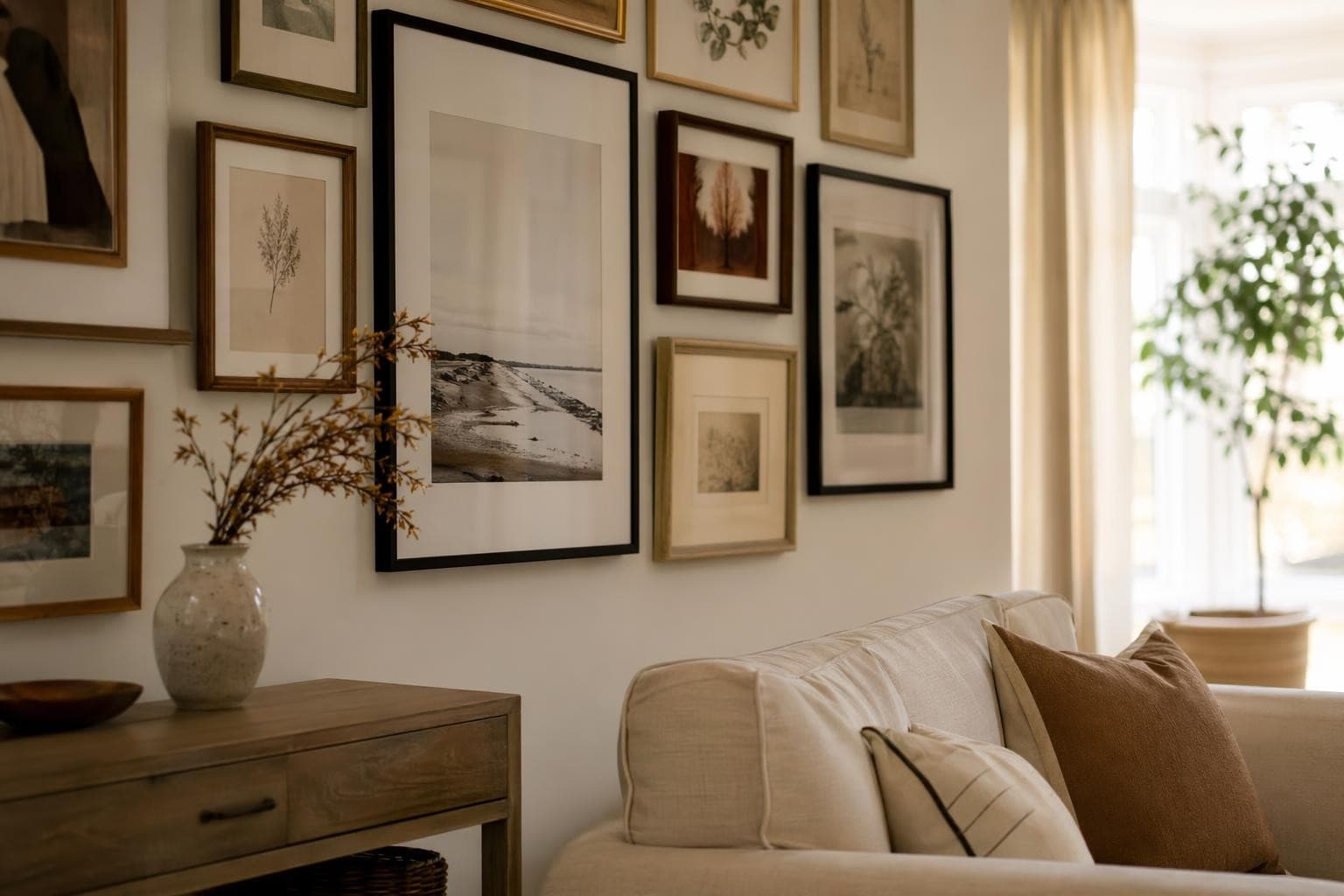
19. Living room — as a gallery wall alternative. If you're tired of the gallery wall look, a single bold-colored or textured accent wall behind your seating area achieves the same visual weight without the grid of frames.
20. Bedroom — behind the headboard. The headboard wall is the most natural bedroom accent wall. Calming colors (dusty blue, sage green, warm greige) work well here. If you want texture, fluted panels or limewash paint both photograph beautifully and feel good to wake up to.
21. Kitchen — behind open shelving. The wall behind floating shelves or open cabinetry is a natural spot for a bold color or patterned tile-look wallpaper. It makes the shelving display feel intentional rather than accidental. Use StableRender's kitchen design tool to preview different treatments before touching a single wall.
22. Bathroom — behind the vanity. The wall your mirror is mounted on is your bathroom's focal point. Stone veneer, bold paint, or a single strip of patterned wallpaper on either side of the mirror all work well here. Stick with moisture-resistant materials — grasscloth and untreated wood are risky in bathrooms.
23. Home office — behind the desk. This wall does double duty: it anchors your workspace and serves as your video call background. A wood slat wall, a dark solid color, or a simple board and batten treatment all read as professional and intentional on camera — which is more than most home office backgrounds can claim.

Mistakes That Make Accent Walls Look Cheap
Avoiding these mistakes is as important as picking the right idea in the first place.
24. Too many accent walls in one home. One or two per home is the limit. If every room has an accent wall, none of them feel special — they just feel busy. The contrast between the accent wall and the neutral walls around it is what makes it work.
25. Clashing with adjacent rooms. Open floor plans are unforgiving — your living room accent wall will be visible from the kitchen and dining area at the same time. Make sure the colors at least share a temperature (all warm or all cool) even if they're very different hues.
26. Wrong paint sheen and not going to the ceiling. Use flat or matte finish on accent walls — it hides surface imperfections that satin or semi-gloss would highlight. And always extend the accent wall treatment all the way up to the ceiling. Stopping short of the ceiling makes the wall look like a mistake rather than a choice. Test your full accent wall idea in your actual room using StableRender before you open a single can of paint or unroll a single panel of wallpaper.
Frequently Asked Questions
What is the best color for an accent wall?
There is no single best color — it depends on your room's light, your existing furniture, and what you want the space to feel like. That said, deep navy, forest green, and warm terracotta are the three safest bold choices in 2026 because they work across a wide range of furniture styles and light conditions. The most reliable way to find your best color is to test it on your actual wall using an AI tool before buying paint.
How much does an accent wall cost?
A painted accent wall costs as little as $30 for the paint on a standard wall. Peel-and-stick wallpaper runs $150 to $400 total. A DIY wood slat wall costs $200 to $800 in materials. Stone veneer and professionally installed treatments can run $1,500 to $3,000 or more. Most homeowners spend $150 to $500 total depending on the approach.
Can I use AI to preview my accent wall?
Yes. StableRender lets you upload a photo of your actual room and generate a photorealistic render showing exactly what any accent wall treatment will look like in your specific space — your furniture, your lighting, your dimensions. You get 3 free renders to start, no credit card required. It takes about 30 seconds per render.
Are accent walls still in style in 2026?
Yes, but they've evolved. The flat-painted accent wall of the 2010s has given way to textured and material-based treatments — wood slats, limewash paint, stone veneer, wallpaper murals. The concept is the same (highlight one wall to anchor the room) but the execution is more layered and considered. Accent walls done well look timeless; accent walls done poorly look dated. The difference is usually the choice of wall and the quality of execution.
Which wall should be the accent wall?
Use the focal point rule: stand in the doorway and note where your eyes land first. That is almost always the right wall. In bedrooms this is typically the headboard wall, in living rooms it's the wall behind the sofa or the fireplace wall, in dining rooms it's the wall you face from the primary seat. Avoid walls broken up by multiple windows or doors — they make any treatment look choppy.